
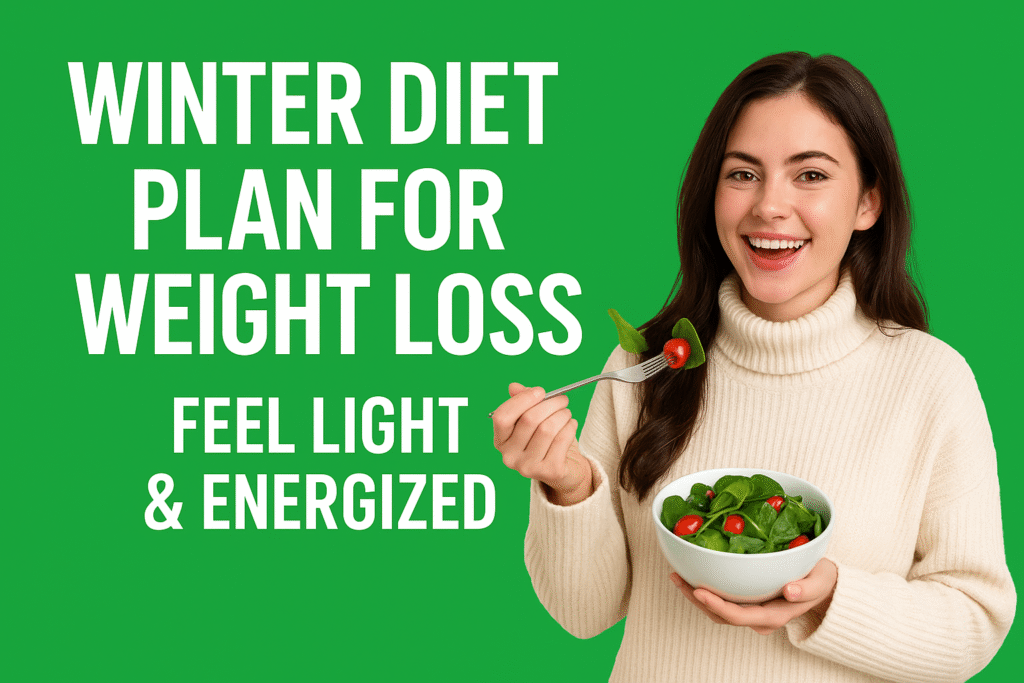
Following a winter diet plan for weight loss can feel challenging at first because winter often brings a cozy charm — warm blankets, relaxing evenings, and comforting foods. But at the same time, it also brings increased cravings and unintentional weight gain. I remember that for several years, winter meant extra cups of tea with sugar, fried snacks in the evening, late-night eating, and barely any physical activity. By the middle of the season, my clothes would start to feel tighter, and I used to assume that losing weight in winter was nearly impossible. But eventually, I realized it wasn’t the season that was the problem — it was my habits.
But later, I learned that winter can actually be the best time to follow a winter diet plan for weight loss. Our body naturally burns more calories during winter to maintain internal warmth. If we use this to our advantage by choosing nourishing, metabolism-boosting foods, weight loss becomes not only possible but easier.
The key is not starving or forcing strict dieting. The key is warmth, nourishment, balance, and smart eating. I’ll share everything I personally practiced — real habits that helped me lose weight in winter without giving up the comfort of warm and delicious meals.
Why Winter Is a Good Season to Lose Weight
It might sound surprising, but winter actually puts the body into a calorie-burning mode. Here’s why:
- The body works harder to stay warm.
- The metabolic rate increases naturally.
- Seasonal foods available in winter are rich in fiber, antioxidants, and nutrients.
- Soups, warm teas, and herbal drinks reduce hunger in a healthy way.
However, the problem arises when we overeat fried snacks, sweets, and heavy meals. These habits cancel out the natural weight-loss advantage.
I went through that cycle myself. I would eat gajar ka halwa almost every evening and snack on fried pakoras, thinking, “It’s cold, I need energy.” But gradually, I started understanding what to eat and what to avoid, and that made all the difference.
Common Winter Hunger Explained
In winter, the body craves extra fuel because:
- It wants to generate heat.
- It seeks comfort when it’s cold.
- Our activity level drops.
Instead of trying to fight hunger, we should learn to control and nourish it. When I switched to:
- Warm high-fiber meals
- Protein-rich snacks
- Hydrating herbal teas
My hunger felt satisfied without overeating.
Core Principles of the Best Winter Diet Plan for Weight Loss
The best winter diet plan for weight loss should include:
| Principle | Purpose | My Personal Tip |
|---|---|---|
| Eat Warming Foods | Maintain body heat | Add ginger & black pepper in food |
| Choose High Fiber | Keeps you full for hours | Start your day with oats or fruits |
| Increase Protein | Controls cravings | Add 1–2 protein sources in each meal |
| Warm Hydration | Reduces false hunger | Drink warm water or herbal tea |
| Use Seasonal Vegetables | Gives most nutrients in winter | Make mixed sabzi or soups |
Once I started following these principles, I noticed:
- Less bloating
- Better digestion
- Reduced cravings
- Steady and natural weight loss
Best Foods to Include in a Winter Diet
1. Seasonal Winter Vegetables
Winter vegetables are more nutritious and fresh during cold months.
Include:
- Spinach (Palak)
- Fenugreek (Methi)
- Carrots
- Mustard greens (Sarson)
- Beetroot
- Cabbage
- Broccoli
I often make a fresh carrot and beetroot salad with lemon and black pepper. It’s refreshing, warm, and satisfying.
2. High-Fiber Breakfast
Skipping breakfast in winter worsens cravings later.
Good breakfast options:
- Oatmeal with nuts and honey
- Vegetable poha or upma
- Boiled eggs and whole-grain toast
- Dal + veggie cheela
I personally love oatmeal cooked with cinnamon — it feels warm and comforting.
3. Soups and Warm Meals
Soups are a lifesaver in winter. They are filling, light, and healthy.
Try:
- Tomato basil soup
- Mixed vegetable soup
- Lentil soup with garlic
- Chicken broth soup
I found soups especially helpful when I wanted something comforting but light for dinner.
4. Smart Snacking
Replace fried winter snacks with:
- Roasted makhana
- Roasted chickpeas
- Walnuts and almonds
- Dark chocolate (small quantity)
- Fruit slices with cinnamon
These snacks helped me stay full without overeating.
Structured 7-Day Diet Plan for Winter Weight Loss
This flexible plan matches perfectly with the diet plan for weight loss in winter lifestyle approach.
| Time | Meal | Example |
|---|---|---|
| Morning | Warm Drink | Warm water with honey & lemon or cinnamon tea |
| Breakfast | High Fiber + Protein | Oats + seeds OR eggs + whole wheat toast |
| Mid-Morning | Fruit | Apple, orange, pear, or guava |
| Lunch | Balanced Warm Meal | 1-2 chapati + vegetable sabzi + dal + salad |
| Evening | Healthy Snack | Green tea + roasted chickpeas or makhana |
| Dinner | Light Meal | Soup + stir-fried vegetables / grilled chicken / paneer |
A key trick: Make dinner your lightest meal.
This single habit helped me lose inches without noticing.
Warm Tea & Herbal Drinks That Boost Metabolism
These drinks became part of my routine:
| Drink | Benefit | When to Have |
|---|---|---|
| Ginger Tea | Improves digestion & warmth | Morning |
| Cinnamon Tea | Reduces cravings | Afternoon |
| Warm Lemon Water | Refreshes & detoxifies | Empty stomach |
| Cumin Water | Reduces bloating | After meals |
These simple drinks helped reduce belly heaviness and evening cravings.
Making Your Lifestyle Winter-Friendly
Winter makes us slow, sleepy, and less active. But small movements count too.
You don’t need intense workouts.
Try:
- 15 min brisk walk in sunlight
- Light yoga to improve mobility
- 2–3 indoor home exercises like squats, skipping, step-ups
- Deep breathing to reduce food cravings caused by stress
What helped me most was walking after meals, even if it was just inside the house.
Most Common Mistakes People Make in Winter
| Mistake | Problem Caused | Better Choice |
|---|---|---|
| Eating too many fried snacks | Weight gain & bloating | Choose roasted snacks |
| Drinking less water | Dry skin & cravings | Drink warm water |
| Heavy dinner late at night | Slows metabolism | Eat early and light |
| Too much tea or coffee | Dehydration | Swap with herbal teas |
I made all of these mistakes at some point — and fixing them made weight loss much easier.
Putting It All Together
Whether you follow the best winter diet plan for weight loss, make your own diet plan for weight loss in winter, or choose something flexible that works for your schedule — remember these core ideas:
- Eat warm, not cold.
- Choose seasonal produce.
- Include protein in every meal.
- Drink warm water or herbal tea regularly.
- Eat dinner early and light.
- Stay lightly active.
Winter can be comforting and healthy at the same time — you don’t need to sacrifice one for the other. Once I found this balance, winter became my favorite season for feeling lighter, more energetic, and confident.
Are There Any Side Effects of Winter Diet?
Following a winter diet plan for weight loss can be effective, but it may cause side effects if the diet becomes too restrictive. Many people reduce calories too quickly, thinking it will speed up results, but the body actually needs more fuel to stay warm. Eating too little can lead to tiredness, headaches, irritability, and slower metabolism. Research in the Journal of Clinical Endocrinology & Metabolism shows that when the body feels cold and underfed at the same time, it may store more fat as a survival response, making weight loss harder instead of easier.
Another concern with a winter diet plan for weight loss is nutrient imbalance. Some people rely only on soups or liquids and do not include enough protein or healthy fats. According to the American Journal of Clinical Nutrition, low-protein diets can lead to muscle loss, which reduces overall calorie burn. To prevent this, include warming and nourishing foods like eggs, lentils, chicken, paneer, nuts, seeds, and seasonal vegetables. The goal is to feel warm, full, and energized — not deprived.
FAQs
1. Can I lose weight while eating filling foods in winter?
Yes. Warm, fiber-rich and protein-balanced meals keep you full without gaining weight.
2. How much water should I drink in winter?
At least 6–8 glasses daily. Warm water is best to avoid dehydration.
3. Are soups enough for dinner?
Yes, if they include vegetables and a source of protein like lentils, beans, chicken, or paneer.
4. Can I eat sweet potatoes while losing weight?
Yes, but in moderation. They are nutritious and filling but can add calories if eaten in large amounts.
5. Is walking enough for winter weight loss?
Yes. 20–30 minutes of brisk walking daily helps digestion, metabolism, and fat loss.