
The Complete Guide to High Protein Diet Plans for Weight Loss
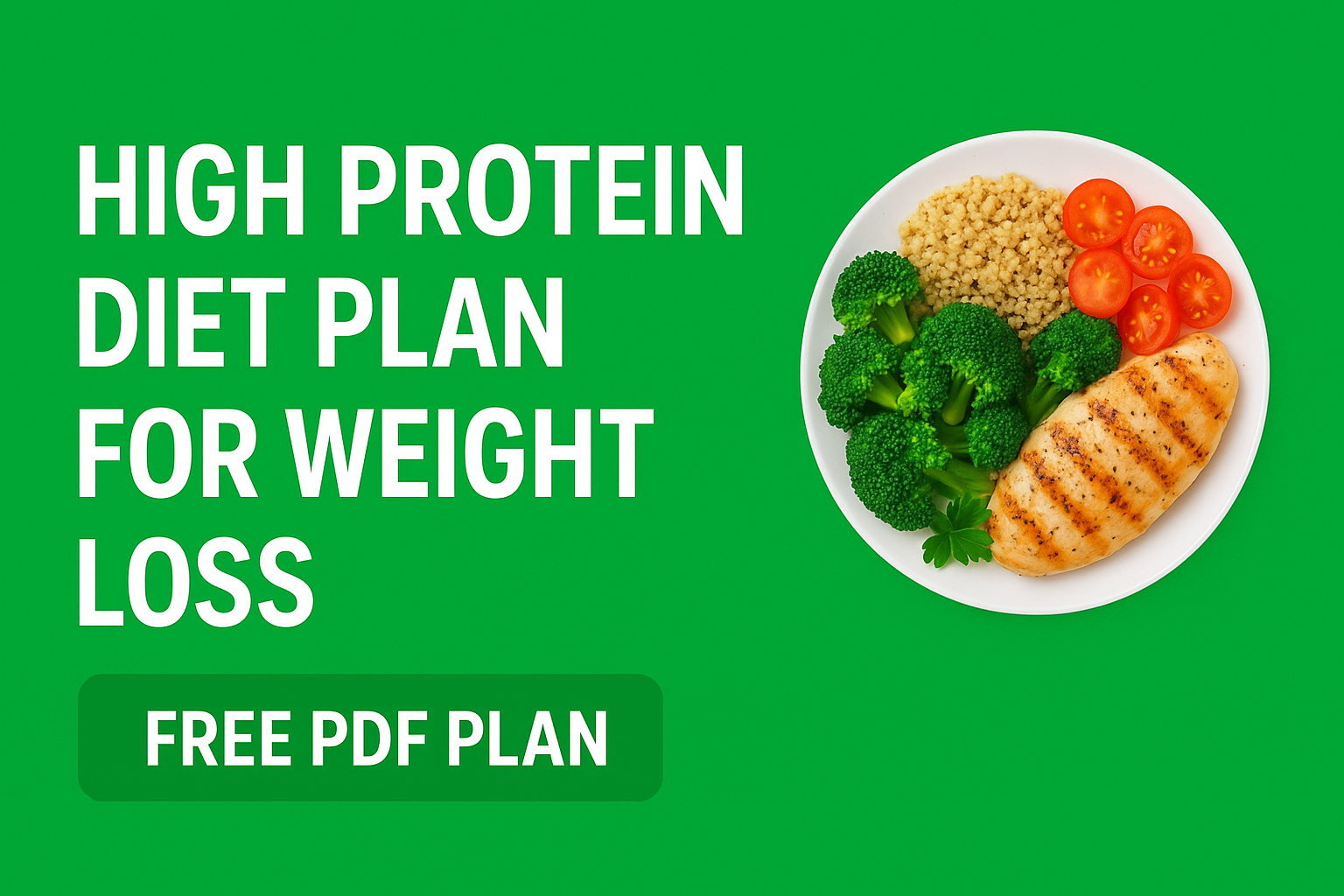
A high protein diet can be a game-changer for anyone looking to lose weight, build muscle, or simply improve their overall health. By increasing your protein intake and following a structured meal plan, you can accelerate fat loss while preserving lean muscle mass. This comprehensive guide will walk you through everything you need to know about creating and following an effective high protein diet plan.
Getting enough protein doesn’t have to be complicated. With the right approach, you can design a sustainable eating plan that fits your lifestyle and helps you reach your goals. Whether you’re looking for a 1200 calorie high protein diet plan, a 1500 calorie high protein diet meal plan, or a low carb high protein vegetarian diet plan, this guide has you covered.
What is a High Protein Diet Plan?
A high protein diet emphasizes foods that are rich in protein while moderating carbohydrate and fat intake. Typically, this means consuming 25-35% of your daily calories from protein sources, compared to the standard recommendation of 10-15%.
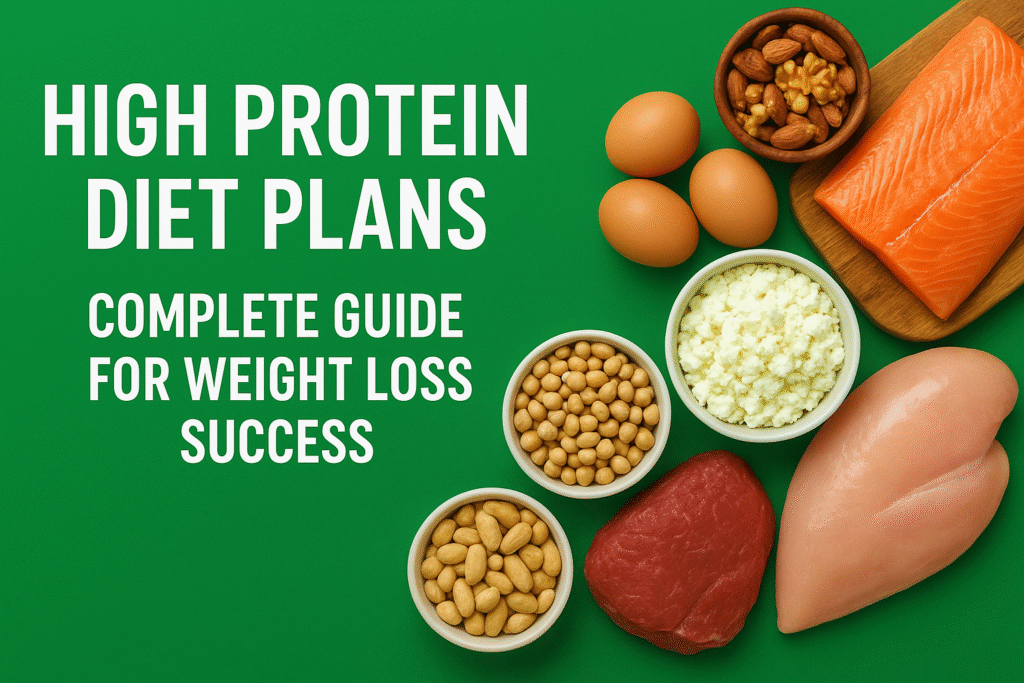
The foundation of any effective high protein diet meal plan includes lean meats, fish, eggs, dairy products, legumes, and protein supplements. These foods provide the building blocks your body needs for muscle repair, hormone production, and maintaining a healthy metabolism.
Unlike restrictive fad diets, a well-designed 7 day high protein diet plan for weight loss focuses on nutrient-dense foods that keep you satisfied while creating the caloric deficit needed for weight loss. This approach makes it easier to stick to your eating plan long-term.
Benefits of a High-Protein Diet
Understanding the science behind high protein eating can help motivate you to stick with your plan. Here are the key benefits you can expect:
Enhanced Weight Loss
Protein has a higher thermic effect than carbohydrates or fats, meaning your body burns more calories digesting it. Studies show that increasing protein intake can boost your metabolism by 15-30%, helping you burn more calories throughout the day.
Improved Muscle Preservation
When you’re in a caloric deficit for weight loss, your body may break down muscle tissue for energy. A high protein diet helps preserve lean muscle mass, ensuring that most of the weight you lose comes from fat rather than muscle.
Better Appetite Control
Protein is the most satiating macronutrient, helping you feel full and satisfied between meals. This natural appetite suppression makes it easier to stick to your calorie goals without feeling constantly hungry.
Stabilized Blood Sugar
Including protein with your meals helps slow the absorption of carbohydrates, preventing blood sugar spikes and crashes. This leads to more stable energy levels throughout the day and reduced cravings for sugary snacks.
Sample 7-Day High Protein Diet Meal Plan
Here’s a practical free high protein diet meal plan that you can customize based on your calorie needs and preferences:
1200 Calorie High Protein Diet Plan
Day 1
- Breakfast: Greek yogurt (1 cup) with berries and 1 tbsp almonds (280 calories, 20g protein)
- Lunch: Grilled chicken salad with mixed greens and vinaigrette (320 calories, 35g protein)
- Dinner: Baked cod with steamed broccoli (300 calories, 40g protein)
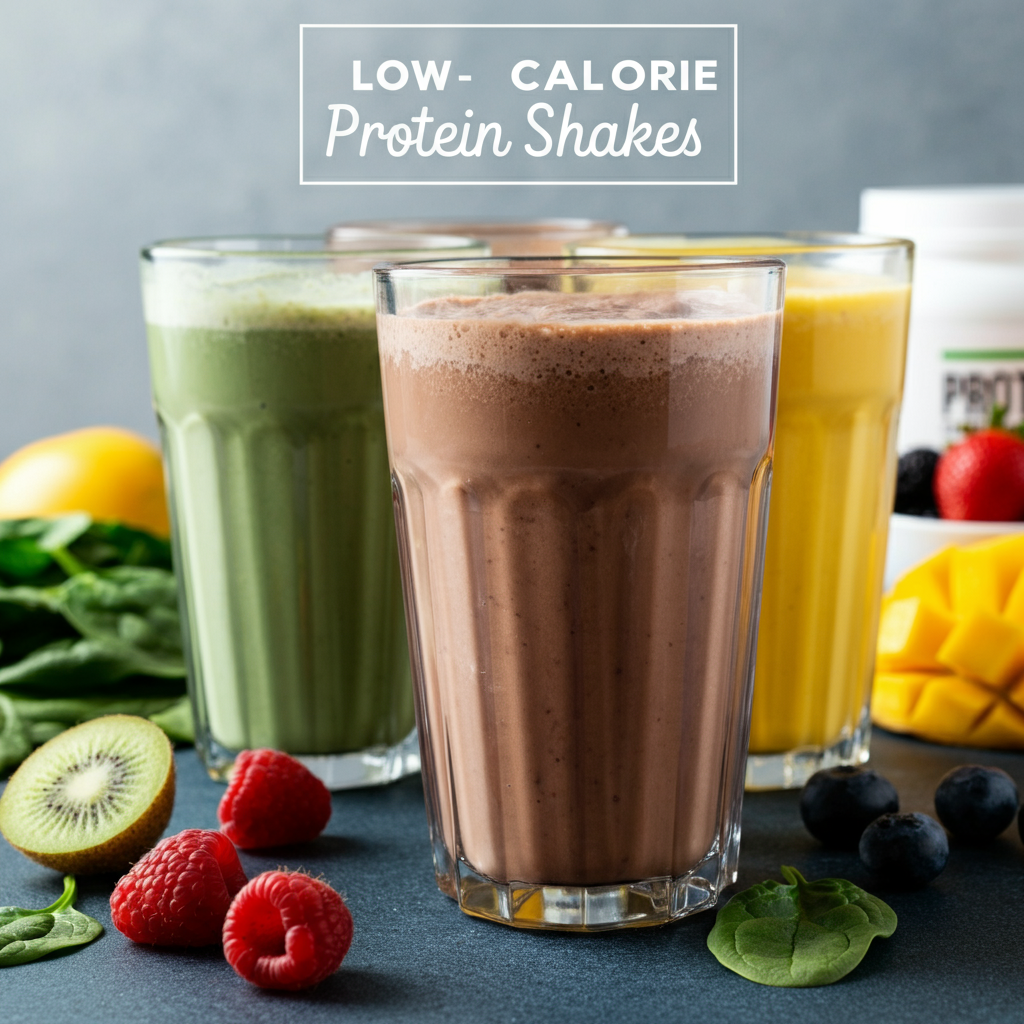
- Snack: Low-calorie protein shake (200 calories, 25g protein)
Days 2-7: Follow similar patterns, rotating proteins like lean beef, turkey, fish, and eggs while incorporating different vegetables and low-carb sides.
1500 Calorie High Protein Diet Meal Plan
For those needing more calories, add healthy fats like avocado, nuts, and olive oil, plus an additional protein-rich snack. This plan provides approximately 120-140g of protein daily while maintaining the caloric deficit needed for weight loss.
Sample Day:
- Breakfast: Protein omelet with spinach and cheese (350 calories, 28g protein)
- Mid-morning: Greek yogurt with nuts (180 calories, 15g protein)
- Lunch: Turkey and avocado wrap with vegetables (420 calories, 35g protein)
- Afternoon snack: Protein smoothie (200 calories, 25g protein)
- Dinner: Grilled salmon with quinoa and asparagus (450 calories, 38g protein)
Guidelines to Follow for High Protein Diet Plan
Success with any high protein diet meal plan depends on following these essential guidelines:
Calculate Your Protein Needs
Aim for 0.8-1.2 grams of protein per pound of body weight. Active individuals or those doing strength training may need up to 1.6 grams per pound.
Spread Protein Throughout the Day
Rather than consuming all your protein in one meal, distribute it evenly across meals and snacks. This approach optimizes muscle protein synthesis and keeps you satisfied.
Choose Quality Sources
Focus on lean proteins that provide essential amino acids. Complete proteins like eggs, dairy, meat, and fish should form the foundation of your plan, supplemented with plant-based options.
Time Your Protein Intake
Consume protein within 30-60 minutes after workouts to support muscle recovery and growth. Having protein with each meal also helps maintain stable blood sugar levels.
The Importance of Hydration
Proper hydration becomes even more critical when following a high protein diet. Your kidneys need extra water to process the increased protein intake efficiently. Aim for at least 8-10 glasses of water daily, and increase this amount if you’re active or live in a hot climate.
Adequate hydration also supports appetite control, energy levels, and overall health. Many people mistake thirst for hunger, so staying well-hydrated can help prevent unnecessary snacking.
Low Carb High Protein Vegetarian Diet Plan
Vegetarians can absolutely succeed with high protein eating. A low carb high protein vegetarian diet plan relies heavily on these protein sources:
Primary Protein Sources:
- Greek yogurt and cottage cheese
- Eggs and egg whites
- Tofu and tempeh
- Legumes like lentils, chickpeas, and black beans
- Nuts, seeds, and nut butters
- Protein powder supplements
Sample Vegetarian Day:
- Breakfast: Protein smoothie with plant-based protein powder, spinach, and almond milk
- Lunch: Large salad with chickpeas, hemp seeds, and tahini dressing
- Dinner: Baked tofu with roasted vegetables and quinoa
- Snacks: Greek yogurt with nuts or cottage cheese with cucumber
The key is combining different plant proteins throughout the day to ensure you get all essential amino acids. Consider supplementing with plant-based protein powder to easily meet your daily protein goals.
Tips for Sticking to Your High Protein Diet
Meal Prep is Your Friend
Dedicate time each week to preparing proteins in bulk. Cook chicken breasts, hard-boil eggs, and prepare protein-rich snacks in advance. Having ready-to-eat options makes it easier to stick to your plan when life gets busy.
Smart Snack Choices
Keep high-protein snacks readily available: Greek yogurt, string cheese, nuts, protein bars, or homemade protein balls. These options help you avoid reaching for less nutritious alternatives when hunger strikes.
Track Your Intake
Use a food tracking app to monitor your protein consumption, especially in the first few weeks. This helps ensure you’re meeting your goals and can identify areas for improvement.
Stay Flexible
While consistency is important, allow for occasional modifications to prevent diet fatigue. If you’re craving something specific, find a way to incorporate it into your daily calorie and protein goals.
Exercise Recommendations
Combining your high protein diet meal plan with the right exercise routine amplifies your results. Here’s what works best:
Strength Training
Resistance exercises create the muscle-building stimulus that your increased protein intake supports. Aim for 2-3 strength training sessions per week, focusing on compound movements like squats, deadlifts, and push-ups.
Cardiovascular Exercise
Include 150-300 minutes of moderate-intensity cardio per week to support weight loss and heart health. Walking, cycling, swimming, or dancing all count toward this goal.
Active Recovery
On non-workout days, engage in light activities like yoga, stretching, or leisurely walks. This keeps your body moving without adding excessive stress.
For individuals with specific health conditions, it’s important to adapt both diet and exercise accordingly. If you have diabetes, check out our guide on the best diet plan for diabetes patients in India to learn how to modify high protein eating for blood sugar management.
Transform Your Health with High Protein Eating
A well-planned high protein diet offers a sustainable path to weight loss, improved body composition, and better overall health. By following the guidelines and meal plans outlined in this guide, you can create an eating pattern that supports your goals while still being enjoyable and practical.
Remember that the best diet is one you can stick to long-term. Start with small changes, be patient with yourself, and focus on building healthy habits rather than pursuing quick fixes. Whether you choose a 1200 calorie high protein diet plan or a 1500 calorie high protein diet meal plan, consistency and balance are key to your success.
Take action today by planning your first week of high protein meals. Your future self will thank you for making this investment in your health and well-being. Consider consulting with a registered dietitian or healthcare provider to ensure your chosen plan aligns with your individual health needs and goals.
FAQs on High Protein Diet Plan
What is a High Protein Diet Plan?
A high protein diet plan focuses on eating more protein-rich foods while balancing carbs and fats to support weight loss and muscle health.
Are High Protein Diet Plans good for weight loss?
Yes. High protein diets boost metabolism, reduce hunger, and help preserve muscle while you burn fat.
Can vegetarians follow High Protein Diet Plans?
Absolutely. Vegetarians can use Greek yogurt, eggs, tofu, legumes, nuts, and plant-based protein powders.
How much protein should I eat daily?
Most people need 0.8–1.2 grams of protein per pound of body weight. Active individuals may need up to 1.6 grams.
Are High Protein Diet Plans safe long-term?
Yes, if balanced with healthy fats, vegetables, and proper hydration. It’s best to consult a healthcare provider before starting.