
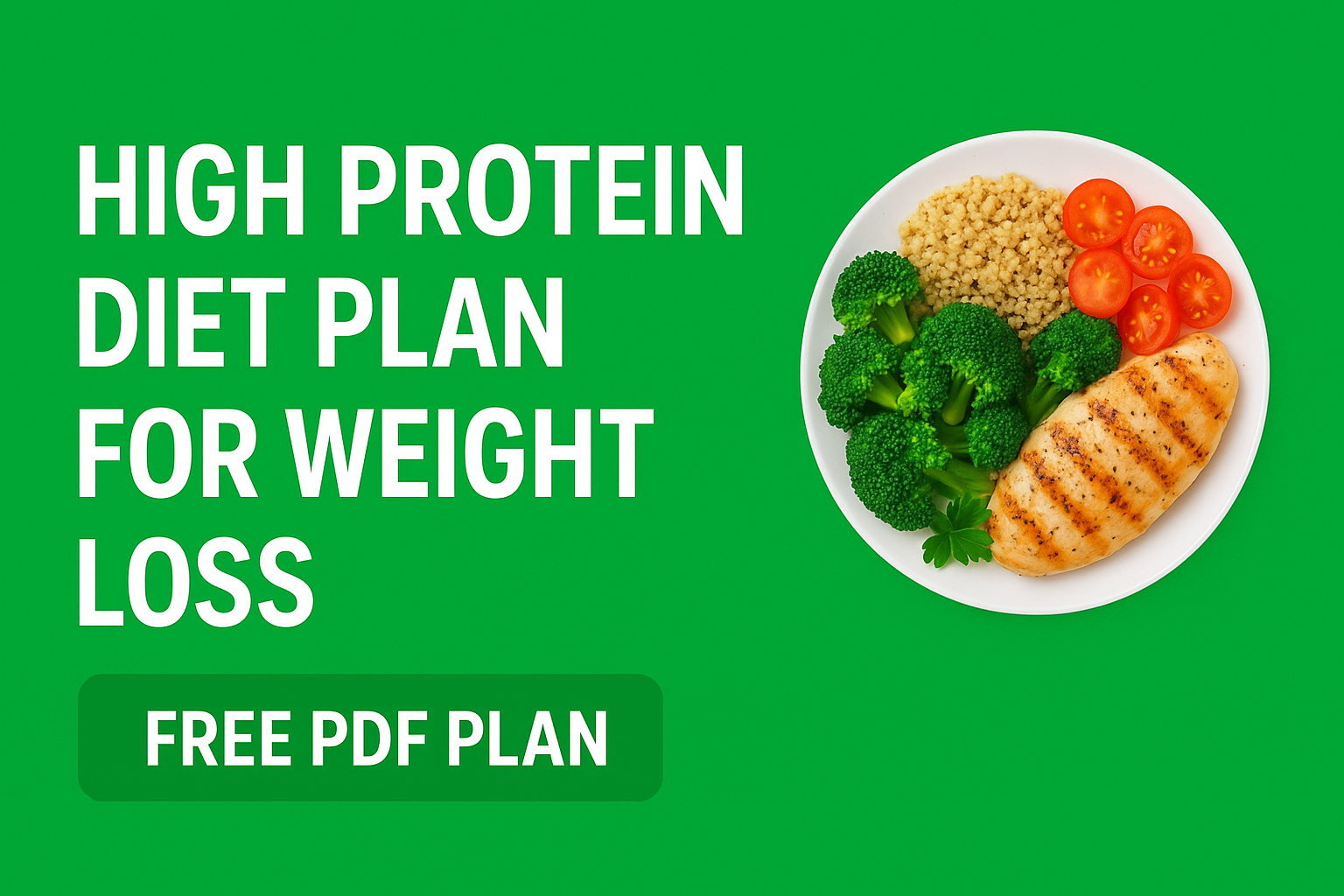
If you’re exploring ways to lose weight, you’ve likely come across the idea of a high protein diet plan. This approach has gained significant popularity, and for good reason. A high-protein diet plan isn’t just a fleeting trend; it’s a structured way of eating that can help you feel fuller for longer, build muscle, and boost your metabolism.
This guide will walk you through everything you need to know about starting a high-protein diet for weight loss. We’ll explain the science behind it, outline the benefits, and provide practical meal plans, including a 7-day high protein diet plan for weight loss. By the end, you’ll have the confidence and knowledge to decide if this eating style is the right fit for your health goals.
Understanding Your Macronutrients
Before starting any new diet plan, it’s helpful to understand the building blocks of your food: macronutrients. These are the nutrients your body needs in large amounts to function correctly. The three main macronutrients are protein, carbohydrates, and fats.
- Protein: Essential for building and repairing tissues, making enzymes and hormones, and supporting muscle mass. It’s also very satiating, which means it helps you feel full.
- Carbohydrates: Your body’s primary source of energy. They are broken down into glucose, which fuels your brain and muscles.
- Fats: Important for hormone production, vitamin absorption, and providing a concentrated source of energy.
A traditional diet often balances these three. However, a high protein, low-carb diet plan adjusts the ratios, increasing protein intake while moderately reducing carbohydrates to encourage weight loss.
The Benefits of a High-Protein Diet
Adopting a high-protein diet offers several advantages, especially when your goal is to lose weight. Here are some of the key benefits:
- Increases Satiety: Protein is the most filling macronutrient. Eating more of it can reduce hunger and overall calorie intake, making it easier to stick to your diet without feeling deprived.
- Boosts Metabolism: Your body uses more energy to digest protein compared to fats and carbs. This phenomenon, known as the thermic effect of food (TEF), can slightly increase the number of calories you burn each day.
- Preserves Muscle Mass: When you lose weight, you risk losing muscle along with fat. A high protein intake helps preserve lean muscle mass, which is crucial because muscle burns more calories at rest than fat does.
- Reduces Cravings: Stable blood sugar levels from a higher protein intake can help reduce cravings, particularly for sugary and high-carb foods.
Sample 7-Day High Protein Diet Plan for Weight Loss
Getting started is often the hardest part. This sample 7-day high protein diet plan for weight loss is designed to be simple and effective. You can adjust portion sizes based on your specific calorie needs.
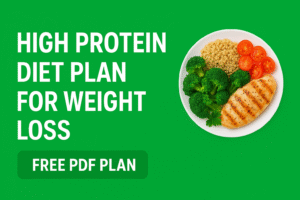
High Protein Diet Plan PDF
For your convenience, you can download a version of this meal plan to use on the go.
High Protein Diet plan pdf
🥗 7-Day High Protein Diet Plan for Weight Loss
| Day | Breakfast | Lunch | Dinner | Snack |
|---|---|---|---|---|
| Day 1 | Scrambled eggs (3) with spinach and turkey bacon | Grilled chicken salad with mixed greens, cherry tomatoes, cucumber, and vinaigrette | Baked salmon with roasted asparagus and quinoa | Greek yogurt |
| Day 2 | Protein smoothie with protein powder, almond milk, berries, and chia seeds | Leftover baked salmon and quinoa | Lean ground turkey stir-fry with broccoli, bell peppers, and snap peas | A handful of almonds |
| Day 3 | Oatmeal with milk, nuts, and protein powder | Tuna salad (with Greek yogurt) in lettuce wraps | Sirloin steak with steamed green beans | Cottage cheese |
| Day 4 | Greek yogurt parfait with berries and high-protein granola | Leftover steak and green beans | Pork chops with sautéed mushrooms and onions | A hard-boiled egg |
| Day 5 | Scrambled eggs with diced bell peppers and whole-wheat toast | Leftover pork chops | Shrimp scampi with zucchini noodles | Protein bar |
| Day 6 | Protein pancakes topped with fresh fruit | Chicken and vegetable skewers | Lean beef burgers (no bun) with side salad | Beef jerky |
| Day 7 | Cottage cheese with sliced peaches and cinnamon | Leftover beef burgers and salad | Baked cod with roasted Brussels sprouts | A handful of walnuts |
For a longer-term approach, you can expand this into a 2-week high protein diet menu by mixing and matching these meals or trying new high-protein recipes.
Tips for Success on a High Protein Diet
Transitioning to a new way of eating takes some adjustment. Here are a few tips to help you succeed:
- Plan Your Meals: Meal prepping can save you time and prevent you from making unhealthy choices when you’re hungry.
- Stay Hydrated: Drink plenty of water throughout the day. Sometimes thirst is mistaken for hunger.
- Include Fiber: Make sure you’re eating plenty of vegetables and other high-fiber foods to support digestive health.
- Listen to Your Body: Pay attention to hunger and fullness cues. Eat when you’re hungry and stop when you’re satisfied, not stuffed.
Potential Risks and How to Avoid Them
While a high-protein diet is safe for most healthy individuals, there are a few potential risks to be aware of. People with pre-existing kidney conditions should consult a doctor before significantly increasing their protein intake.
To minimize any risks, focus on choosing healthy protein sources. Opt for lean meats, poultry, fish, eggs, dairy, and plant-based proteins over processed meats or protein bars with lots of added sugar. A balanced approach is always best. Here is a research on High Protein Diet Plan Has No Harmful Effects.
You can track how much of your body weight comes from muscle, bones, organs, and water — excluding fat — using our Lean Body Mass Calculator. For more healthy meal options like diabetes-friendly, low-calorie, and fat-burning diet plans, visit our Diet Plans page.
High-Protein Vegetarian Diet Plan
A high-protein diet is entirely possible for vegetarians. The key is to focus on plant-based sources of protein.
Excellent vegetarian protein sources include:
- Lentils and beans
- Tofu and tempeh
- Edamame
- Quinoa
- Greek yogurt and cottage cheese
- Nuts and seeds
- Plant-based protein powders
Here is an example of a high protein low carb diet meal plan for vegetarians:
- Breakfast: Tofu scramble with black beans, onions, and peppers.
- Lunch: Lentil soup with a side of mixed greens.
- Dinner: Tempeh stir-fry with a variety of colorful vegetables.
- Snack: Greek yogurt with a sprinkle of chia seeds.
You can also find a downloadable high protein vegetarian diet plan PDF to help you stay organized.
Is a High-Protein Diet Right for You?
A high protein diet plan can be a highly effective tool for weight loss. By increasing satiety, boosting metabolism, and preserving muscle, it sets you up for sustainable success.
However, the best diet is one you can stick with long-term. A high protein diet plan for weight loss is a great starting point, but it’s important to build healthy habits that last. Listen to your body, choose whole foods, and find an eating pattern that you enjoy. If you have any underlying health conditions, it’s always a good idea to speak with a doctor or registered dietitian before making significant dietary changes.
Ready to take the next step? Use our sample meal plans to get started on your journey toward a healthier you.
FAQs About High-Protein Diets
- What are some examples of high-protein breakfast options?
Scrambled eggs, Greek yogurt, and protein smoothies are great choices that keep you full and provide energy throughout the morning. - Why is protein important for lunch and dinner?
High-protein lunches, like grilled chicken salad or lentil soup, help boost metabolism and reduce cravings. For dinner, options like baked salmon or tempeh stir-fry aid muscle recovery and help balance blood sugar levels. - What are good high-protein snacks?
Cottage cheese, almonds, beef jerky, and hard-boiled eggs are excellent snacks that reduce hunger, stabilize energy levels, and prevent unhealthy snacking. - Are there vegetarian protein sources?
Yes! Lentils, tofu, tempeh, quinoa, and edamame provide essential amino acids while supporting heart and gut health. - Can I enhance my high-protein meals with additional ingredients?
Absolutely! Add-ons like spinach, broccoli, asparagus, chia seeds, and nuts are rich in fiber, vitamins, and minerals to support digestion and overall health. - What are the main benefits of a high protein diet plan?
A high-protein diet helps with muscle repair, weight management, reducing cravings, supporting metabolism, and balancing blood sugar levels. - Is a high-protein diet suitable for vegetarians?
Yes, vegetarians can follow a high-protein diet by including plant-based protein sources like lentils, tofu, tempeh, and quinoa. - How can I ensure I’m getting enough protein throughout the day?
Plan your meals to include protein-rich foods at every meal and snack. Incorporating high-protein foods like eggs, chicken, lentils, or nuts can make meeting your daily protein needs easy.